If you have ever been requested to undergo an MRI scan, CT scan or X-ray by your doctor You might be asking why this particular procedure was recommended. In the end, every one shows images of what’s happening inside the body. What’s the reason they’re not interchangeable?
Modern diagnostic imaging functions as a toolbox. Different technologies provide data in different ways and the most appropriate method to use depends on what component of the human body being examined and the specific question to be answered. At the Wolfsburg Diagnostics Center there are a variety of imaging technologies are available to meet different medical needs.
MRI Examining the body without radiation.
Magnetic resonance imaging, also referred to as MRI, uses radiofrequency and magnetic fields instead of ionizing radiation create detailed images. MRI is particularly effective in viewing various types of soft tissue, organs, joints, and various internal structures. For example the patient with an issue with their joints might require information not readily available through an Xray.
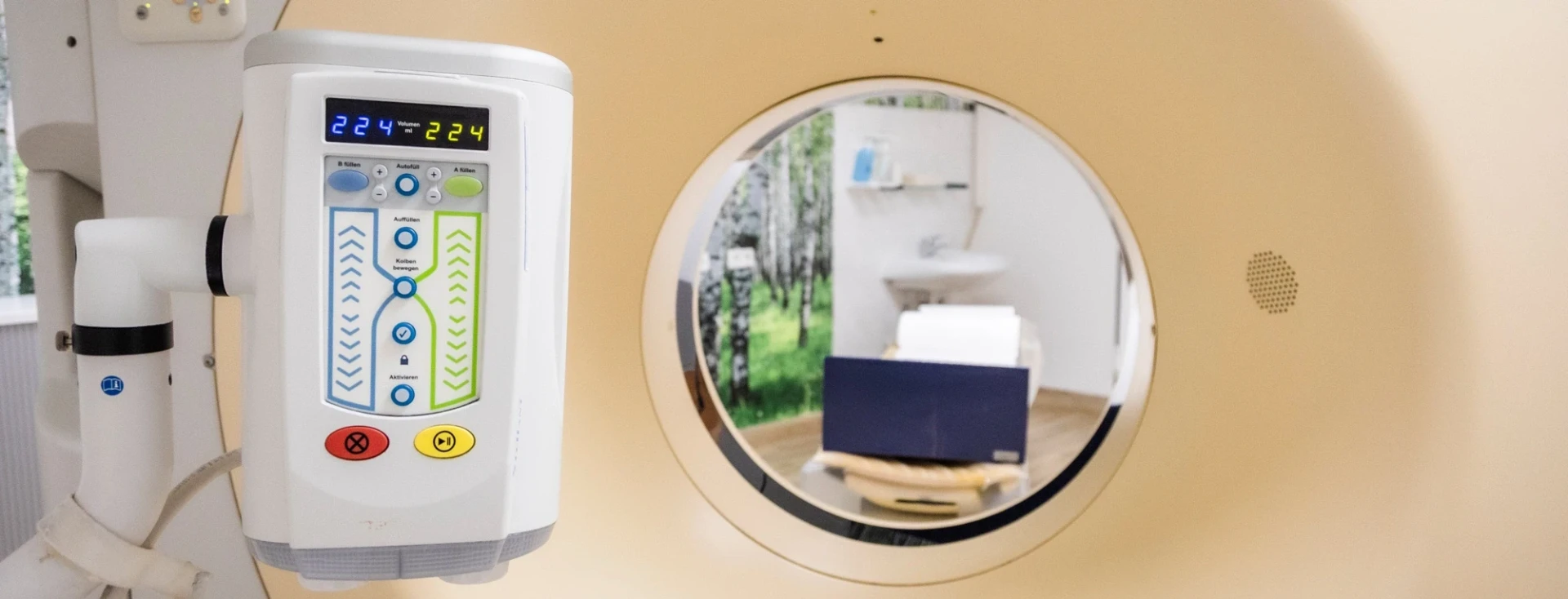
Image credit: diagnostikzentrum-wolfsburg.de
The Wolfsburg Diagnostic Center provides prostate MRI and full-body MRI tests. These services are based upon the ability of MRI to produce detailed images, and without exposing patients ionizing radiation.
CT Creates Detailed Cross-Sectional Views
Computed tomography is a method of imaging that differs. CT makes use of X radiation along with computer processing, and an image of the cross-sectional body to produce detailed images. CT images are made in slices instead of one image. This permits doctors to study specific medical issues.
The center utilizes the latest low-dose CT technology to cut down on radiation exposure while still obtaining necessary diagnostic information. CT imaging is also beneficial in the treatment of. Periradicular treatment, or PRT, is a targeted injection therapy that utilizes CT guidance.
The familiy X-Ray Still serves an important Task
The advancement of technology hasn’t made conventional radiography obsolete. Digital X-ray diagnosis is an efficient and fast method to acquire images, which could be beneficial for various kinds of tests. Digital devices are also more efficient and emit less radiation than older methods.
Sometimes, the most advanced test may not be the best one. The best diagnostics are those that choose technologies that are appropriate to the clinical question rather than just picking the latest machine.
Breast Imaging has its own specific technology
Mammography is a diagnostic tool specifically designed for breast cancer. The Wolfsburg Diagnostic Center also provides 3D mammography (also called tomosynthesis) in addition to traditional mammography. This technique creates multiple images that can be transformed into a layer view of breast tissue. It is important to use specialized imaging because different parts of the body present different problems for diagnosis.
The old image may create a new image that is more valuable
A current scan provides details about the body of today. Comparing scans from the past with a current one can be equally beneficial.
Medical professionals are able to assess modifications in the past if they have access to older images and medical findings. This is far more accurate than interpreting the findings of a current exam exclusively. This is the reason that patients are urged, whenever they can, to bring in previous images and findings from medical imaging for their appointment.
Understanding the process can help patients better understand technology.
The Wolfsburg Diagnostic Center combines MRI, CT, digital mammography, X-rays, 3D mammography as well as image-guided treatment, with an emphasis on clear communication as well as organized patient care. For additional information, click here CT Wolfsburg
Patients receive clear explanations of their examinations. Additionally, educational videos give additional details on the medical procedure. The short waiting time and the coordinated scheduling are an integral part of the clinic’s strategy. Modern diagnostic medicine relies on advanced equipment. However the procedure should not be viewed as a technical process that isn’t explained.
Knowing the goal of an examination and knowing what the patient can expect from it will allow patients to be more confident. They may also find that modern medical technology is simpler to comprehend.