A lift station can eventually be transformed into a concrete structure which is stuffed with pumps, piping control valves and electrical devices, but its performance is assessed earlier. The design is determined by numerous elements, such as calculation of flow, elevation of the site and system pressure, as well as the properties of wastewater as well as top conditions access to maintenance controls and future capacity.
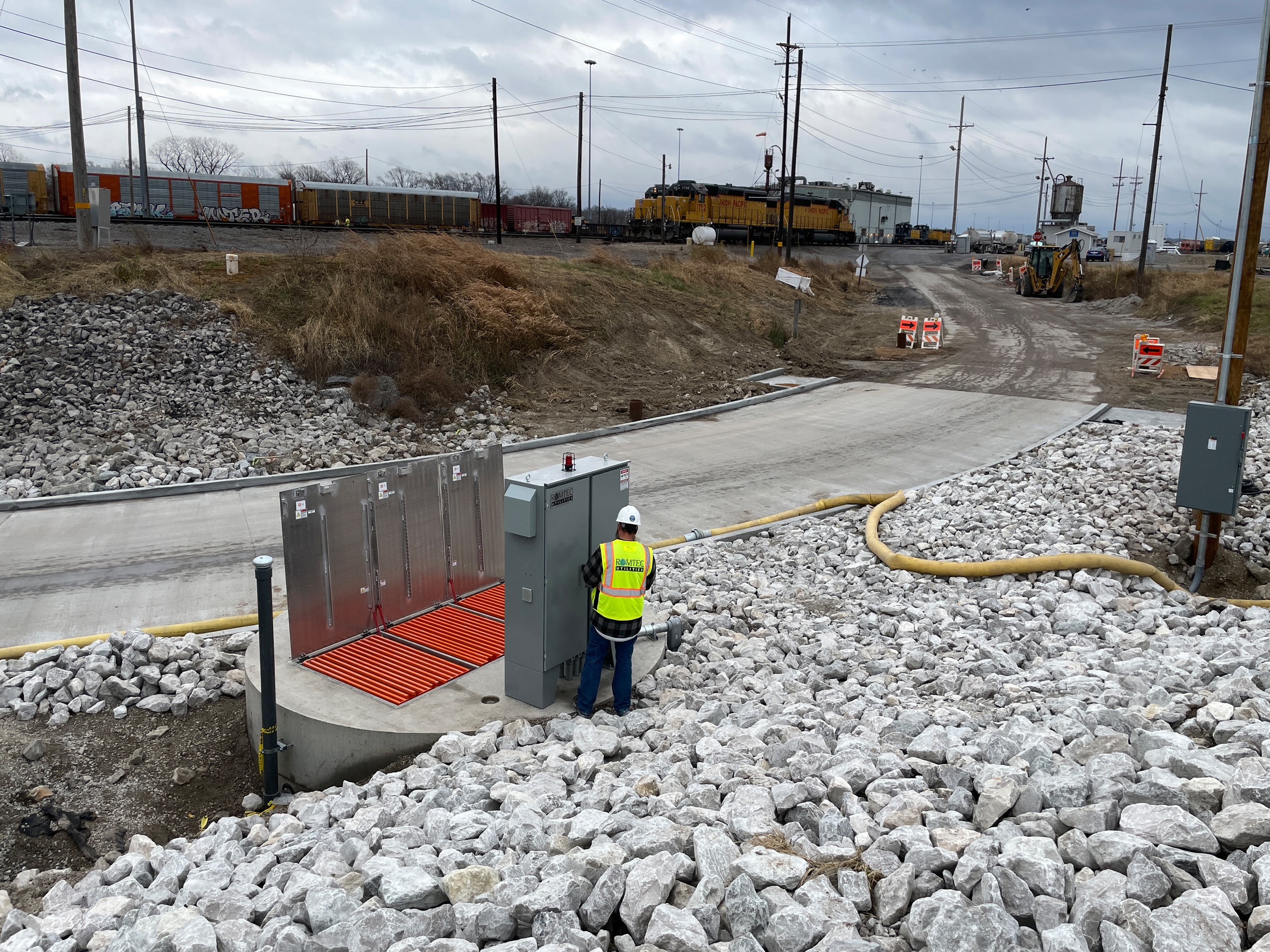
Image credit: romtecutilities.com
For project owners comparing the best lift station designers, the more useful question isn’t simply who can specify pumps. It’s about who can interpret the site’s conditions and operational demands into a total system that is practical to construct, operate, and maintain.
Gravity Has Limits
Gravity is typically the most efficient way to convey wastewater, but terrain and development patterns can be a challenge. The new residential, commercial and industrial sites are often too low or too distant from the existing gravity sewer infrastructure.
A lift station can provide the mechanical force required to move wastewater from one part of the collection system to another. The design of a lift station requires an understanding of normal operations as well as more difficult circumstances like a high flow pump maintenance, breakdowns in equipment, or future increases in demands.
Companies considered to be among the best in the industry of wastewater should take into consideration the whole issue of conveyance instead of focusing on the station as if it were an isolated piece of equipment.
The existing infrastructure makes it harder to solve the puzzle
The only problem is not building new structures. Many municipalities must modernize or replace their old facilities in order to keep essential wastewater infrastructure in good working order.
Existing infrastructure, including wet wells and force mains, control systems boundary lines for sites, as well as downstream infrastructure, can limit the design. Engineers need to decide what will be left, what requires replacement, and how new components will integrate with the existing system.
Romtec Utilities has experience in commercial, private, and municipal applications, as also retrofit and replacement projects. This allows pumping systems be tailored to the ownership and operating requirements of each project.
Stormwater follows different rules
The best stormwater system designers need to use the search terminology to solve an issue with a different hydrologic. Stormwater systems have massive volume fluctuations based on the amount of rainfall as well as other factors like the area of drainage capacity, detention capacity, and the rate of discharge.
For instance, a facility that serves a detention area may need to temporarily hold the runoff before pumping it out at a predetermined speed. Engineers should consider head and flow conditions, environmental requirements and objectives for flood management, and the specifics of the drainage system for receiving.
Prefabrication is a way to move work from the worksite
Field assembly is a difficult process that could result in scheduling conflicts, mistakes delays, or even change orders. Romtec Utilities uses substantial prefabrication before equipment reaches the location of the project.
In a controlled setting where there is a controlled environment, the completion of more assembly work and quality control can speed up construction on the field. Based on the approach to project management described by Romtec Utilities, certain projects that might otherwise take weeks can potentially be reduced to just a few days dependent on the conditions of the project.
Our commitment to engineering success extends to commissioning
A station isn’t a guarantee simply because every part is installed. Romtec Utilities is an installation consultant and will monitor the construction process from start-up, through control panel checking, pump operation testing the system, as well as personnel training. The manual also contains information that the operators may refer to when maintain the system or considering future expansion.
This final stage is important for the owners looking for the top lift station design. An engineering plan that is successful should be more than a set of acceptable drawings. It should leave the proprietor with a system that is functional and a skilled staff, as well as useful documentation, and equipment that is designed around the conditions the station will face in everyday operation.